









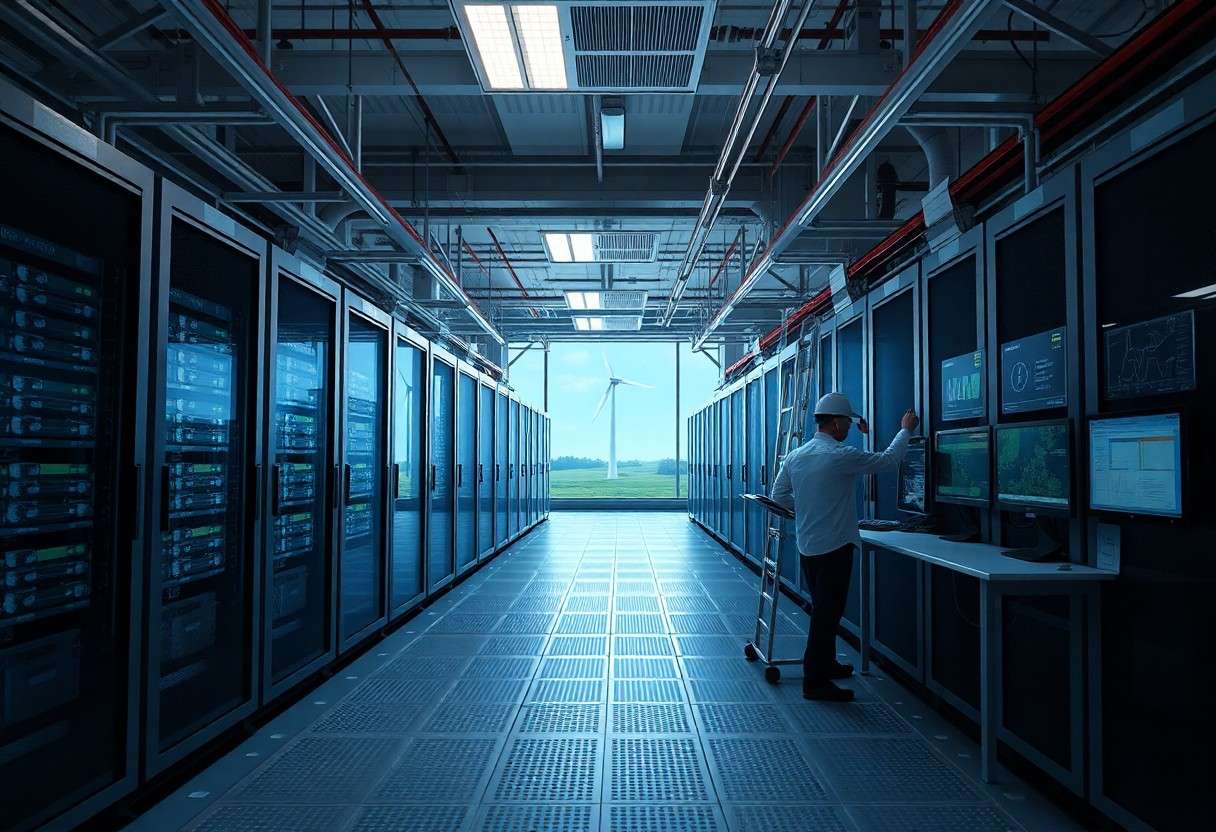
Just as your data demands grow, so does the dangerous environmental impact of energy-hungry data centers. You can reduce carbon emissions and operational costs by adopting energy-efficient hardware, optimizing cooling systems, and integrating renewable energy. These positive, actionable steps directly support Green AI infrastructure while boosting performance and sustainability.
Key Takeaways:
- Data center efficiency begins with optimizing cooling systems-shifting to liquid cooling or free-air cooling can cut energy use by up to 40% compared to traditional methods.
- Adopting renewable energy sources like solar or wind power directly reduces the carbon footprint of AI operations, making green AI infrastructure more achievable at scale.
- Right-sizing hardware and using energy-efficient processors help match computing power to actual workload demands, minimizing waste and improving overall sustainability.
The Flow of the Cold
Efficient cooling begins with how cold air moves through your data center. Poor airflow management leads to hotspots, forcing systems to work harder and consume excess energy. You must design pathways that deliver cool air directly to server intakes, minimizing recirculation and bypass. Simple adjustments like sealing unused rack spaces and using blanking panels can drastically improve performance.
Containment strategies-hot or cold aisle-give you control over thermal dynamics. Cold aisle containment is often more effective in modern facilities, keeping chilled air isolated until it reaches critical components. By optimizing this flow, you reduce compressor runtime and lower carbon output, directly supporting greener AI operations.
The Strength of the Sun
Solar energy offers a direct path to decarbonize data center operations, reducing reliance on fossil fuels. You can integrate photovoltaic systems on-site or procure solar power through off-site farms, aligning energy use with renewable generation cycles. This shift not only lowers emissions but also stabilizes long-term operational costs.
Transparency in energy sourcing builds trust and accountability-explore Why transparency matters for sustainable data centers and … to understand how open reporting drives better environmental outcomes. When you publicly share your solar adoption metrics, you set a measurable standard for others and reinforce your commitment to green AI infrastructure.
The Grace of Lean Logic
You streamline operations not by adding more tools, but by removing waste. Lean logic in data centers means designing systems that do more with less-fewer resources, lower energy, and reduced emissions. Every line of code, every server cycle, should serve a purpose. Eliminating redundancy isn’t just efficient-it’s an environmental necessity.
Energy saved through intelligent architecture compounds over time, leading to measurable reductions in carbon output. By adopting lean principles, you align technical performance with planetary responsibility. Going Green: The Path to Data Center Efficiency and … shows how small logic refinements yield large-scale impact. Efficiency isn’t noise-it’s signal.
The Life of the Steel
Every server rack in your data center begins as raw steel, forged under intense heat and energy. The carbon footprint of structural steel can make or break your sustainability goals, especially when deployed at scale. You’re not just building infrastructure-you’re shaping long-term environmental impact through material choices.
Steel lasts decades, but its production emits significant CO₂. Opting for recycled or low-carbon steel slashes emissions by up to 70%. When you prioritize suppliers using electric arc furnaces or green hydrogen, you extend the life of steel responsibly-turning durability into a true sustainability asset.
The Weight of the Data
Every byte you process carries a physical cost-energy consumed, heat generated, infrastructure strained. Data centers already account for nearly 1% of global electricity use, and rising AI workloads are accelerating demand at an unsustainable pace. The models you train today may shape the future, but they also leave behind a growing carbon footprint that cannot be ignored.
Heat from dense server racks requires constant cooling, often powered by non-renewable sources. This cycle turns computational progress into environmental strain. You’re not just building smarter systems-you’re managing the real-world impact of their operation. Efficiency isn’t optional; it’s embedded in every query, every inference, every decision you make.
To wrap up
Conclusively, you now have eight actionable steps to enhance data center efficiency and support greener AI infrastructure. Optimizing cooling systems, transitioning to renewable energy, and adopting energy-aware algorithms directly reduce environmental impact while improving performance. You can extend equipment lifespan through modular design and prioritize real-time monitoring to maintain efficiency gains. These measures align technical improvements with sustainability goals, ensuring your operations meet modern environmental standards without sacrificing output.
FAQ
Q: What are the most effective ways to reduce energy consumption in data centers?
A: Data centers can cut energy use by upgrading to high-efficiency servers and storage systems that deliver more computing power per watt. Using virtualization reduces the number of physical machines needed, lowering power and cooling demands. Implementing dynamic power management allows systems to scale down during low activity. Cooling optimization-such as hot aisle/cold aisle containment, free cooling using outside air, and liquid cooling-can reduce HVAC energy by up to 40%. Monitoring energy use in real time with DCIM (Data Center Infrastructure Management) tools helps identify inefficiencies and track progress.
Q: How does renewable energy integration support green AI infrastructure?
A: Powering data centers with renewable sources like solar, wind, or hydro reduces reliance on fossil fuels and cuts carbon emissions. Companies can sign power purchase agreements (PPAs) with renewable providers or install on-site solar panels. Matching energy consumption with renewable generation schedules-especially for non-urgent AI training tasks-improves sustainability. Some organizations use time-shifting techniques, running AI workloads when grid carbon intensity is lowest. This alignment between AI operations and clean energy availability makes large-scale machine learning more environmentally responsible.
Q: Can AI models themselves be designed to be more energy-efficient?
A: Yes. Model efficiency starts with choosing lightweight architectures such as distilled or quantized neural networks that require less computation. Training can be optimized by using smaller datasets with higher quality, early stopping techniques, and lower precision arithmetic (e.g., FP16 instead of FP32). Researchers are adopting sparse models that activate only parts of the network per task. Tools like carbon tracking software measure the environmental cost of training runs, helping teams compare options. Efficient models not only reduce energy use but also lower costs and improve deployment speed on edge devices.